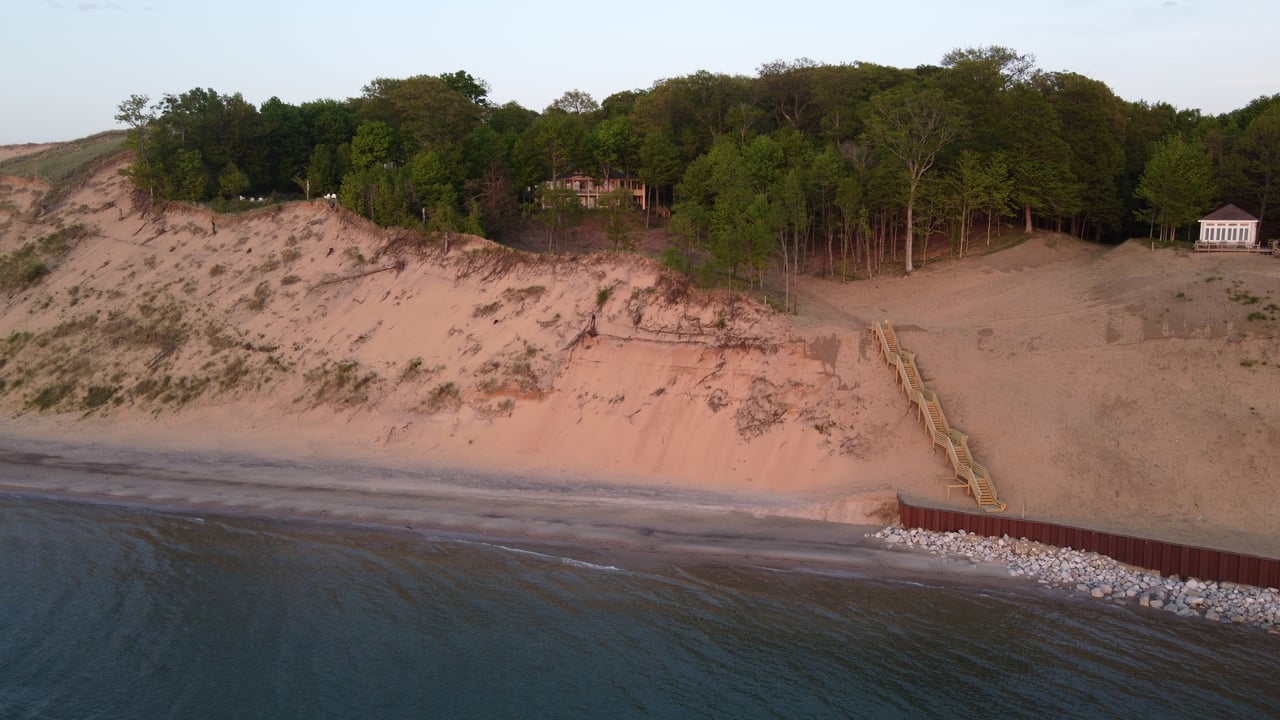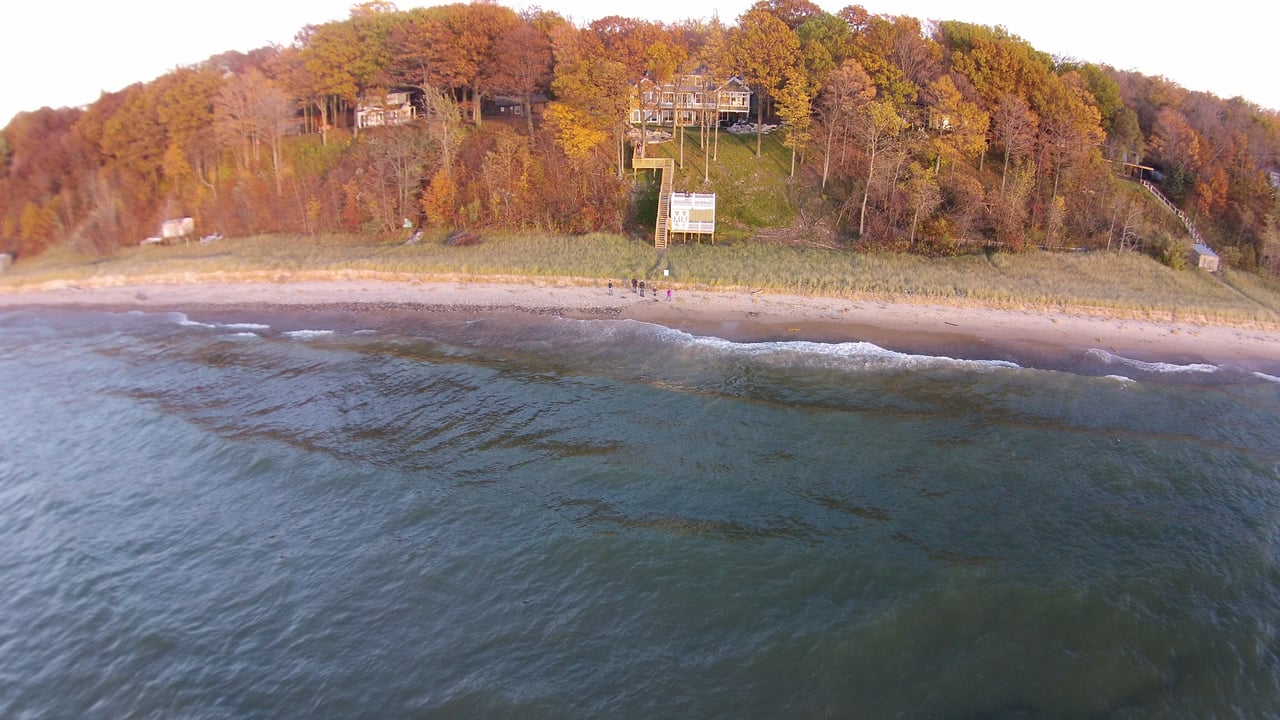
The Lake Michigan shoreline is constantly changing. Wind, waves, fluctuating water levels, precipitation, and natural erosion all play a role in shaping the coastline. For homeowners in Ganges Township, understanding these conditions is an important part of owning and maintaining property along the lake.
As part of Cottage Home's educational forum series, we hosted a discussion focused on the current conditions of the Ganges Township bluff. The conversation provided an opportunity to explore the factors that contribute to bluff erosion, why shoreline conditions vary, and what homeowners should understand when evaluating the stability of their lakeshore properties.
With ongoing discussions surrounding the proposed Article 14 Lake Michigan Shoreline Overlay District, understanding the physical conditions of the bluff is especially important.
Why Are Lake Michigan Bluffs Constantly Changing?
Bluffs along Lake Michigan are natural land formations shaped by thousands of years of environmental processes. Unlike a flat inland property, a lakeshore bluff is exposed to several forces that can gradually change its shape and stability.
Some of the primary factors influencing Lake Michigan bluff erosion include:
Wave Action and Lake Levels
Waves can gradually remove material from the base of a bluff, particularly during periods of high water and strong storms. When the lower portion of a bluff is eroded, the upper slopes can become more vulnerable to movement and instability.
Fluctuating Lake Michigan water levels also influence how much of the shoreline is exposed to wave activity. Higher water levels can increase wave contact with the shoreline, while lower levels may expose additional beach area.
Rainfall and Groundwater
Water plays a significant role in bluff stability. Heavy rainfall, snowmelt, and groundwater movement can increase moisture within bluff soils.
As water accumulates, soil strength can decrease, potentially contributing to slumping, sliding, and other forms of slope movement.
Drainage patterns near the top of a bluff are particularly important because concentrated water flow can contribute to erosion and instability.
Soil Composition and Natural Slope Conditions
Not all Lake Michigan bluffs are made of the same materials. Soil composition, slope angle, vegetation, and groundwater conditions can all influence how a particular bluff responds to environmental changes.
Some areas may experience gradual recession, while others may be more susceptible to sudden slope failures.
This is why understanding the conditions of an individual property is important when considering construction, landscaping, or other improvements near the bluff.
Understanding Bluff Erosion and Shoreline Recession
Two important concepts when discussing Lake Michigan shoreline conditions are bluff erosion and shoreline recession.
Although they are related, they describe different aspects of the natural changes taking place along the coast.
Bluff Erosion refers to the gradual removal of soil and other materials from the bluff, often caused by rainfall, surface runoff, groundwater, and wave activity.
Shoreline Recession describes the gradual landward movement of the shoreline or bluff edge over time as erosion and slope movement occur.
These processes do not necessarily happen at a consistent rate. Some years may bring relatively little visible change, while significant storms or periods of high water can contribute to more noticeable erosion.
For lakeshore homeowners, this means that the current appearance of a bluff does not necessarily indicate how it may behave in the future.
Why Every Lakeshore Property Is Different
One of the most important considerations when evaluating Lake Michigan bluff conditions is recognizing that no two properties are exactly alike.
Even neighboring properties can have different soil conditions, drainage patterns, vegetation, bluff heights, and exposure to wave activity.
Several factors should be considered when evaluating an individual property:
- Bluff height and slope: The height and steepness of a bluff can influence its overall stability.
- Soil composition: Different soil types respond differently to moisture, erosion, and changes in groundwater.
- Drainage: Surface water and groundwater movement can contribute to erosion and slope instability.
- Vegetation: Established vegetation can help manage surface runoff and provide some soil reinforcement.
- Lake exposure: Wave activity and shoreline conditions can vary depending on the property's location and exposure.
Because these conditions vary, general shoreline information should not replace a property-specific evaluation by qualified coastal engineers or geotechnical professionals.
How Bluff Conditions Relate to Ganges Township Article 14
Understanding the current condition of the Ganges Township bluff is an important part of the broader conversation surrounding Article 14 and the proposed Lake Michigan Shoreline Overlay District.
The proposed regulations address development and improvements within designated shoreline areas, including considerations related to bluff setbacks, construction, grading, and shoreline protection.
One important component of Michigan's shoreline regulation framework is the High-Risk Erosion Area (HREA) program administered by the Michigan Department of Environment, Great Lakes, and Energy (EGLE).
The HREA program identifies areas experiencing significant erosion and uses projected shoreline recession to establish building setback requirements. These projections consider potential shoreline movement over 30-year and 60-year periods.
Understanding how these projections relate to actual bluff conditions is important for homeowners evaluating future construction or property improvements.
It is also important to distinguish between a regulatory setback and an engineering assessment of a property's current stability. Both provide valuable information, but they serve different purposes.
Why Understanding Bluff Conditions Matters for Homeowners
For anyone who owns or is considering purchasing property along Lake Michigan, understanding bluff conditions is about more than simply knowing where the edge of the bluff is today.
These conditions can influence decisions involving:
- New home construction and building locations.
- Home additions and major renovations.
- Walkout basements and swimming pools.
- Landscaping and vegetation management.
- Drainage improvements.
- Shoreline protection and erosion-control measures.
Before beginning a project near a bluff, homeowners should understand the property's specific conditions and determine which local, state, or federal approvals may be necessary.
Working with professionals who understand Lake Michigan coastal conditions can help homeowners evaluate potential challenges and make informed decisions about their properties.
Staying Informed About the Future of the Ganges Township Shoreline
The Ganges Township shoreline is a valuable part of the Lake Michigan community, and understanding the natural processes affecting it is essential to making responsible property decisions.
Through its educational forum series, Cottage Home wanted to give homeowners an opportunity to learn more about the bluff, ask questions, and better understand the environmental factors that influence lakeshore properties.
As discussions surrounding Article 14 continue, having a clearer understanding of bluff erosion, shoreline recession, and property-specific conditions can help homeowners participate in those conversations with greater confidence.
A better understanding of the land is an important first step toward making informed decisions about the future of your Lake Michigan property.