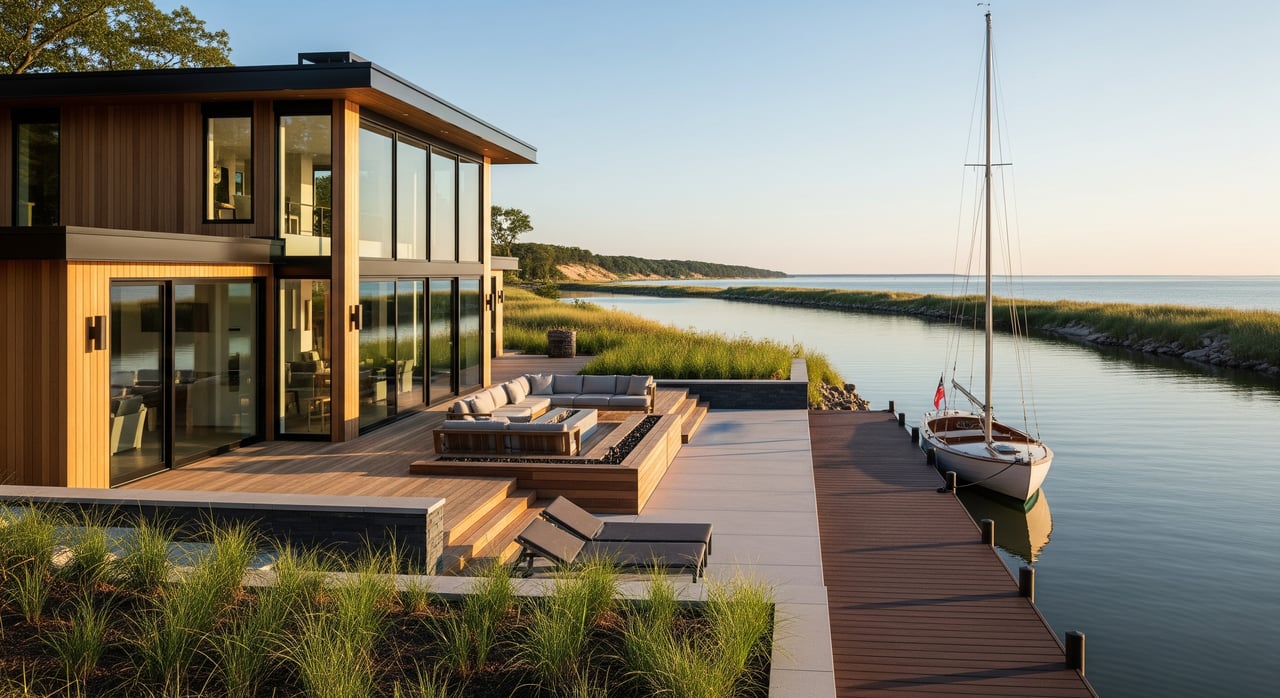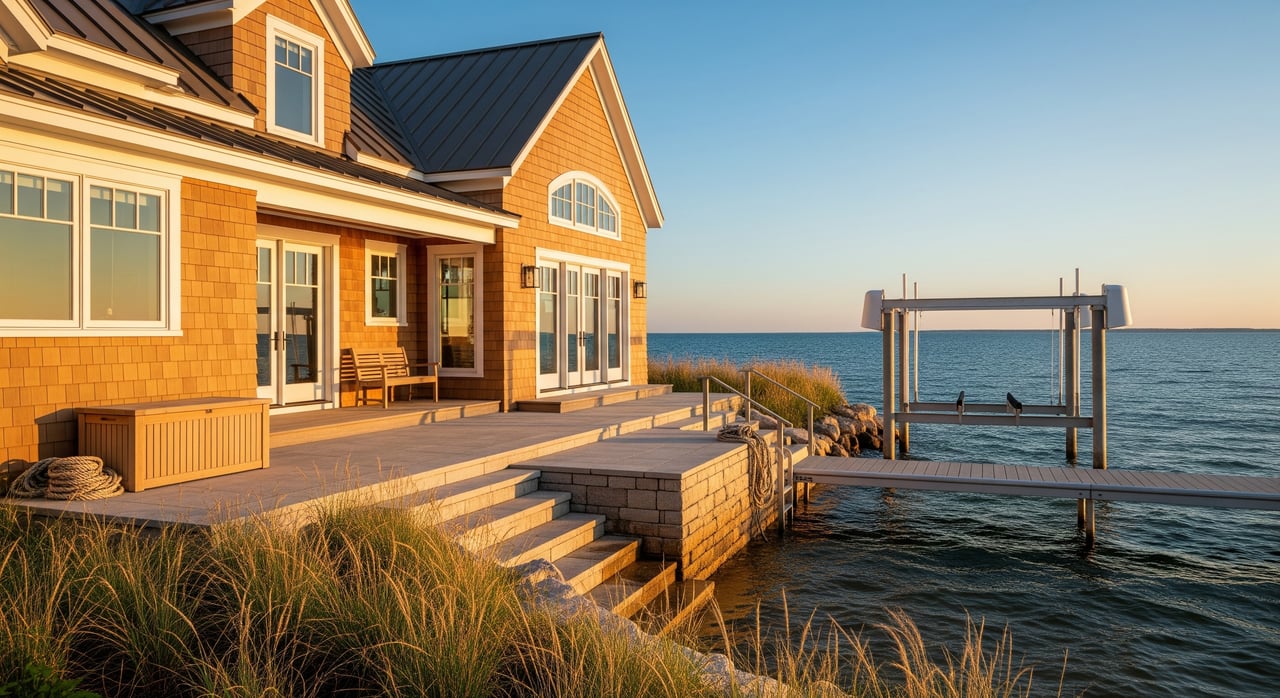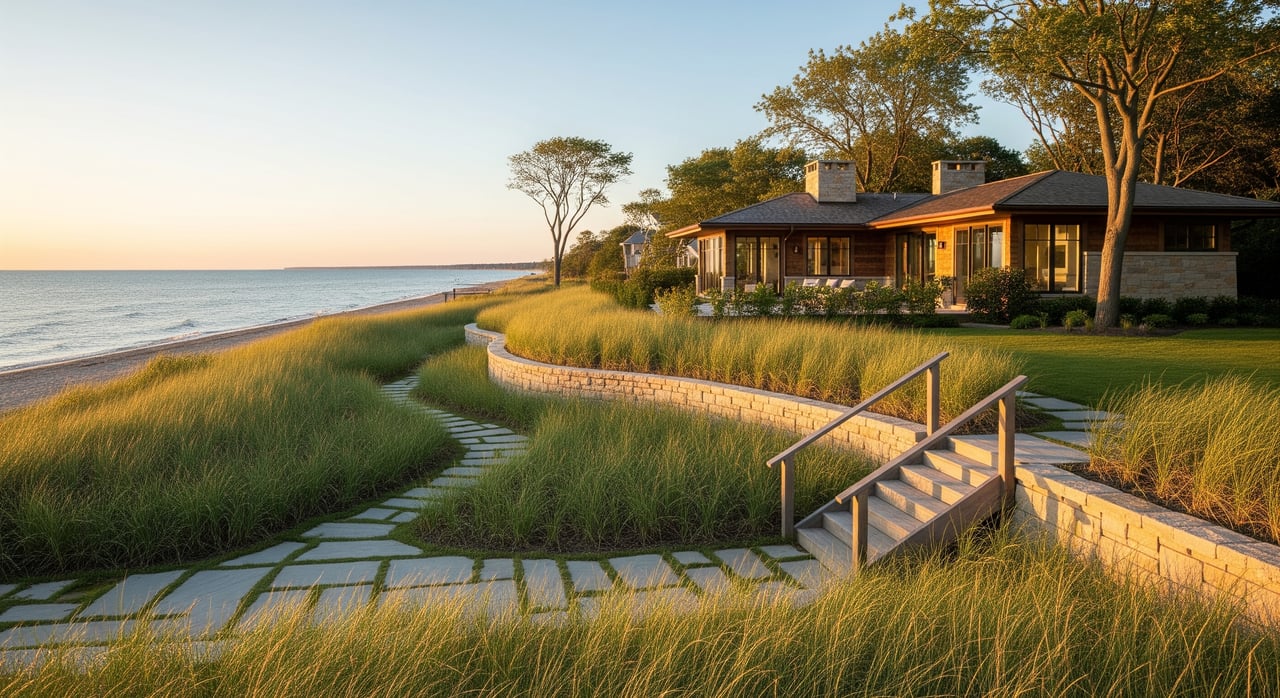
Planning a new dock, a shoreline revetment, or a little beach nourishment at your St. Joseph place? The rules can feel confusing, especially when Lake Michigan levels and local conditions shift year to year. You want to protect your property, move quickly, and stay compliant. This guide gives you clear answers on when EGLE permits are needed, how reviews work, realistic timelines, and how to keep the process moving in 49085. Let’s dive in.
When EGLE permits are required
If your project touches the water or the lakebed, expect EGLE involvement. In Michigan, EGLE typically reviews work that:
- Occurs at or below the ordinary high-water mark (OHWM) of Lake Michigan.
- Places fill or structures on state-owned submerged lands, including docks, piers, lifts, and nearshore breakwaters.
- Adds shore protection like revetments, seawalls, bulkheads, or riprap.
- Includes dredging or any activity that alters the lakebed or nearshore areas.
- Disturbs mapped critical dunes or coastal dune systems.
- Impacts coastal wetlands or streams connected to Lake Michigan.
Work entirely landward of the OHWM that does not affect wetlands, dunes, or drainage may not need EGLE authorization. The OHWM line often determines jurisdiction, so a proper survey is essential.
State, federal, and local approvals
Shoreline work in St. Joseph usually involves more than one authority. Plan for the following:
- EGLE, State of Michigan. Reviews structures or fill below the OHWM, coastal dunes, and wetlands, and may use general authorizations for low-impact projects or individual permits for larger ones.
- U.S. Army Corps of Engineers. Regulates structures or work in navigable waters and dredge or fill under federal law. Many lakebed or dredging projects need Corps review alongside EGLE.
- Other state and federal consultations. Projects that could affect threatened species, fish spawning, habitat, or historic resources may trigger additional reviews.
- City of St. Joseph and Berrien County. Expect zoning and building permits, shoreline setbacks, harbor and dock standards, and coordination with the harbor master for public harbor areas.
Application steps and documents
Getting your submittal right the first time saves months. A strong package usually includes:
- Pre-application coordination. Meet with EGLE to confirm if you need a permit and which type applies.
- Survey and OHWM determination. A licensed surveyor should locate the OHWM and property boundaries.
- Design and alternatives analysis. EGLE favors the least-impact approach and may request soft or hybrid solutions before hard armoring.
- Environmental studies if needed. Wetland delineations, dune mapping, sediment and erosion analyses, or species surveys may be required.
- Complete submittal. Application forms and fees, detailed plans and cross sections, material specs, construction sequence and access, erosion controls, and any coordination letters.
Review process and timelines
Once submitted, EGLE screens for completeness and may publish a public notice with a comment period. Site visits or public meetings can occur for complex or contested projects. Timelines vary:
- General authorizations for simple work. Roughly 30 to 90 calendar days from a complete application.
- Individual permits and multi-agency reviews. Commonly 3 to 9 months, and often 6 to 12 months when federal permits and added studies are involved.
- Highly complex or controversial projects. These can extend beyond 12 months.
Permits often include conditions like construction windows, erosion controls, monitoring, and reporting. Noncompliance can lead to stop-work orders and fines.
St. Joseph 49085 specifics
St. Joseph sits where the St. Joseph River meets Lake Michigan. The shoreline includes urban waterfront, public beaches like Silver Beach, and private properties with variable bluffs. Nearshore sediment transport and river hydraulics shape erosion patterns, so design and timing matter.
Common projects and likely approvals:
- Residential docks and lifts on Lake Michigan or the river. Expect EGLE submerged-lands authorization and possible Corps review, plus city harbor or zoning standards.
- Revetments or seawalls. EGLE typically requires an alternatives analysis and careful design to limit downdrift erosion.
- Beach nourishment. Sand placed below the OHWM or that affects littoral processes will likely need EGLE authorization. Small placement above the OHWM can be simpler but should still be confirmed with EGLE.
- Dredging near slips and marinas. Usually requires both EGLE and Corps review and a plan for dredged material handling or beneficial reuse.
Work windows in St. Joseph can be shaped by fish spawning seasons, winter ice, and summer tourism. Permit conditions often specify allowed dates and protective practices.
Avoid common mistakes
A few missteps can add months to your schedule. Watch for these:
- Skipping an OHWM survey. This is a common reason for delays or denials.
- Relying on historical use. Past structures do not guarantee new approvals in changing shoreline conditions.
- Ignoring neighbor impacts. EGLE considers littoral and cumulative effects, and neighbor concerns can trigger hearings.
- Overlooking federal permits. Missing Corps authorization can halt work even if you have state approval.
- Waiting too long. Begin discussions well before construction season to leave time for surveys and reviews.
How a design-build-broker partner helps
An integrated partner can move your project from idea to approval with fewer handoffs and less risk. Here is what that looks like in practice:
- Pre-application strategy. Schedule EGLE meetings, confirm the permit path, and identify required studies before fees are spent.
- Accurate baselines. Coordinate licensed OHWM, topographic, and bathymetric surveys so plans reflect real conditions.
- Compliant designs. Prepare alternatives that fit EGLE preferences, including soft or hybrid stabilization and clear mitigation where needed.
- Multi-agency coordination. Submit to EGLE and the Corps in parallel and manage follow-up information requests, while aligning with City of St. Joseph permits.
- Build planning and compliance. Draft construction sequences, access and staging plans, erosion controls, and monitoring so field work stays within permit conditions.
- Seasonal scheduling. Plan procurement and construction to match permitted windows and local constraints.
Your next steps
- Contact EGLE for a pre-application discussion to confirm permit needs and the correct pathway.
- Order a licensed OHWM and boundary survey as your starting point.
- Speak with the City of St. Joseph building and planning offices and the harbor master about local rules.
- If dunes, wetlands, or dredging are involved, bring in shoreline and environmental specialists early.
- Consider an integrated design-build-broker to package applications, coordinate agencies, and manage compliance from design through construction.
Ready to protect your shoreline and move your project forward with clarity and confidence? Connect with Brian Bosgraaf to plan a streamlined path from concept to completion.
FAQs
Do I need an EGLE permit to rebuild my dock in St. Joseph?
- Often yes. Replacing a dock that occupies submerged lands usually requires state authorization, even in the same footprint, though some projects may qualify for a simpler general authorization.
What is the OHWM and why does it matter in 49085?
- The ordinary high-water mark is the key line that often determines state jurisdiction; work at or below it typically needs EGLE approval, so a licensed survey is critical.
How long does EGLE permitting take for shoreline work?
- Simple projects can be authorized in about 30 to 90 days, while individual or multi-agency reviews commonly take 3 to 9 months and can extend to 6 to 12 months or more.
Can I add sand to my St. Joseph beach without a permit?
- Small amounts placed fully above the OHWM may not need EGLE authorization, but placement below the OHWM or that will move offshore usually does; confirm in a pre-application discussion.
Will a seawall affect my neighbor’s shoreline?
- Hard armoring can change sediment transport and increase downdrift erosion, which is why EGLE often asks for alternatives and careful design to limit impacts.
Do I also need a U.S. Army Corps permit for my project?
- You might. Work in navigable waters, dredging, or placement of fill in waters or wetlands can require Corps authorization alongside state permits, so plan for both early.