You can build a wonderful life in Holland without living the exact same version of it as everyone else. For some buyers, the dream is waking up near Lake Michigan or Lake Macatawa with water views and easy access to the shore. For others, it is being able to walk to downtown, enjoy nearby parks, and have more day-to-day convenience in every season. This guide will help you compare Holland lakeshore and in-town living so you can choose the setting that fits your goals best. Let’s dive in.
What Lakeshore And In-Town Mean In Holland
In Holland, this choice is not simply downtown versus suburb. The city highlights a range of in-town neighborhoods, including Downtown, Historic, Washington Square, Westside, Maplewood, Holland Heights, Hope, and Rosa Parks. Each offers a different mix of housing, access, and feel.
Downtown is the city’s most urban option. According to the city, it includes apartments above shops, loft-style living, and condos. The Historic Neighborhood and Washington Square offer more residential settings while still staying close to downtown amenities and public spaces.
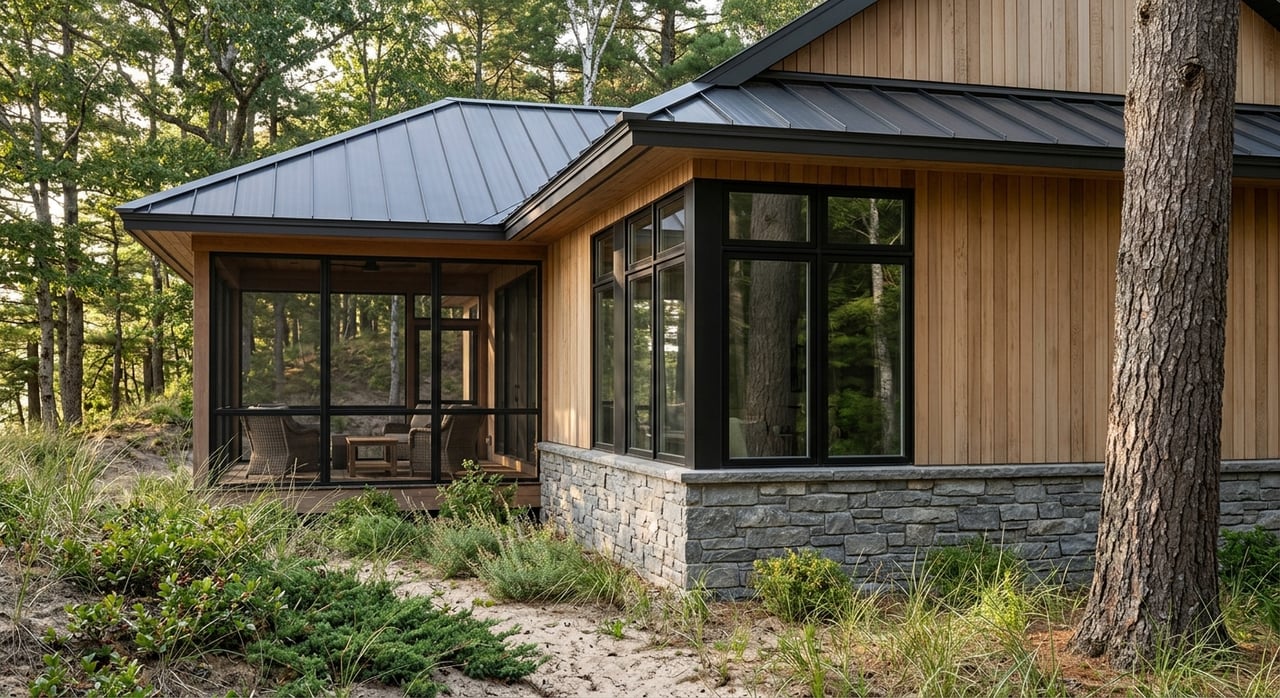
On the lakeshore side, buyers often look at waterfront, beach-access, dune-area, or near-water properties. These homes tend to include custom houses, larger lots, condos with water access, or homes near Lake Michigan and Lake Macatawa. In practical terms, lakeshore living usually means you are choosing scenery, recreation, and privacy over the tighter convenience of central city living.
Compare Home Prices And Housing Types
Price is often the first major divider between these two lifestyles. Current public waterfront listings in Holland show a wide range, with examples from a $400,000 lot and a $715,000 condo up to homes priced around $1.26 million, $1.85 million, $3.5 million, and $3.95 million. Beach-access and dune-area listings also sit in the upper tier, with public examples around $899,000 and above.
In-town listings typically offer a lower and broader entry point. Recent downtown and central examples include condos listed at $249,000, $274,900, $295,000, $322,900, and $384,900, along with a 3-bedroom house at $355,500 and a multifamily property at $325,000. There are also higher-end downtown condos listed at $868,500 and $975,000.
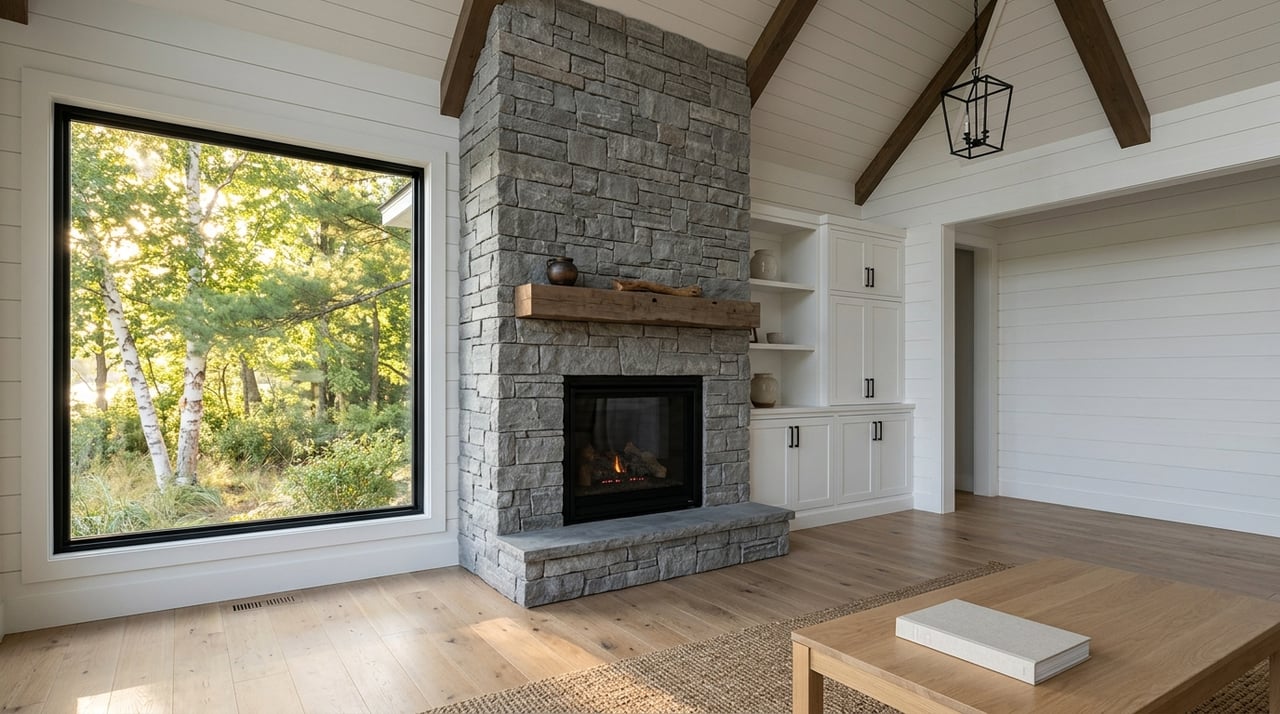
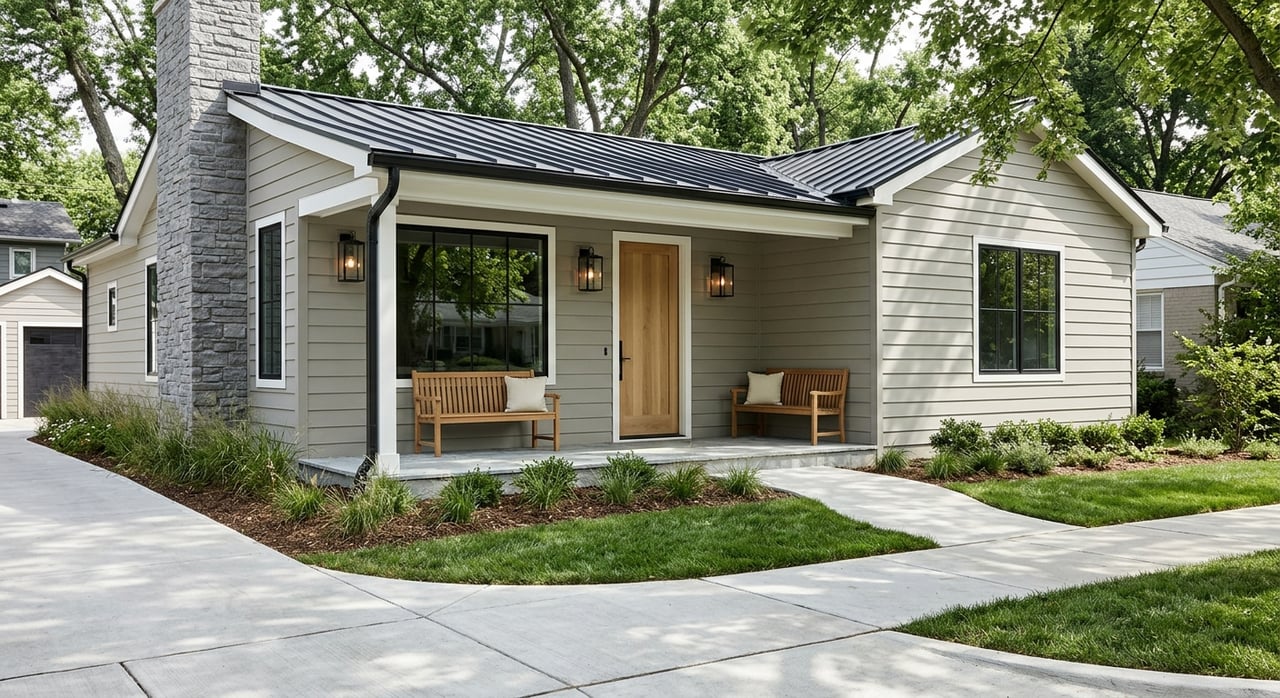
The housing mix also changes depending on where you focus. In-town buyers may find lofts, condos, early-1900s homes, ranches, starter homes, and two-family properties. Lakeshore buyers are more likely to encounter custom homes, water-oriented condos, larger lots, and homes designed to make the most of views and outdoor living.
For overall context, market metrics vary by platform. Zillow reports an average home value of $372,755 and a median sale price of $329,334 for Holland, Redfin reports a median sale price of $310K, and Realtor.com reports a median listing price of $394,999. Those figures are best used as broad snapshots, not direct pricing tools for one specific property type.
Think About Your Daily Routine
The best choice often comes down to how you want ordinary days to feel. If you want errands, dining, events, and parks to be close at hand, central in-town neighborhoods have a strong advantage. The city describes the Historic Neighborhood as about a ten-minute stroll to downtown, while Washington Square is less than fifteen minutes from downtown, Centennial Park, and Kollen Park.
Downtown Holland adds some practical perks that matter more than many buyers expect. The city says downtown has free parking, 15 public surface lots, two parking decks, and more than 300 on-street spaces. It also has a snowmelt system that has operated since 1988 and covers about 690,000 square feet of public sidewalks and streets.
That winter infrastructure can shape how livable downtown feels for much of the year. Holland also says its bike network will total more than 52 miles, which strengthens in-town access for people who like to walk or bike. If convenience in all four seasons matters to you, this is a meaningful benefit.
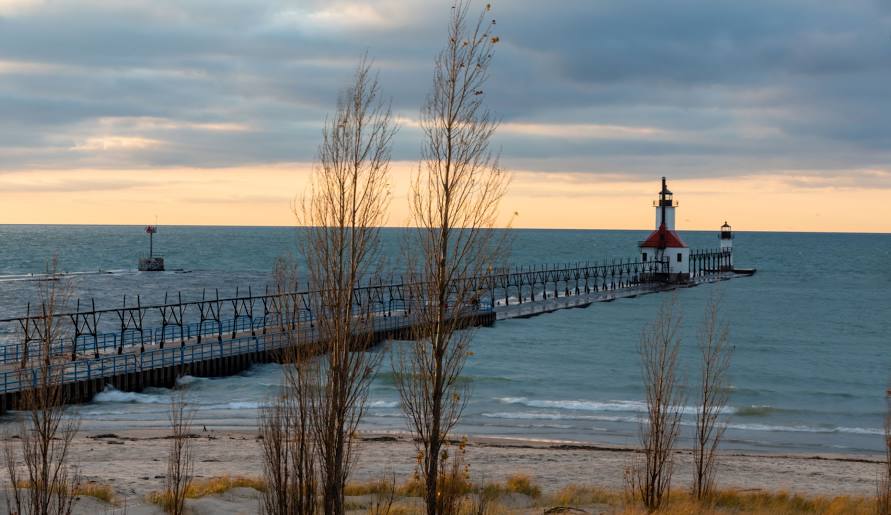
Lakeshore living creates a different rhythm. Holland State Park offers sugar-sand beaches, sunset views, paddling, fishing, campgrounds, an accessible walkway to the water, beach wheelchairs, and trail connections. If your ideal day includes time on or near the water, the lakeshore lifestyle may feel much more rewarding.
Weigh Convenience Against Recreation
A simple way to frame the decision is this: in-town living concentrates convenience, while lakeshore living concentrates scenery and water use. Neither is automatically better. The right fit depends on what you want more often.
If you plan to use the shoreline regularly for boating, paddling, beach time, or simply enjoying water views, living near the shore may justify the higher cost and added upkeep. The setting can feel more private and retreat-like, especially for buyers looking for a second home or a property designed around outdoor living.
If you expect to spend more time going to restaurants, attending events, visiting parks, or moving easily through town in winter, in-town living may be the smarter fit. You still gain access to Holland’s lakeshore amenities without taking on direct shoreline ownership. For many people, that balance is enough.
Understand Maintenance And Ownership Responsibilities
Lakeshore ownership can be beautiful, but it also comes with responsibilities that do not usually apply in-town. Michigan EGLE notes that Great Lakes water levels change over time and can create challenges for waterfront homeowners. Work on or near the lakeshore may require permits.
EGLE also says permits are required for many activities involving Great Lakes bottomlands and for many projects in designated high-risk erosion areas. That can include houses, garages, additions, septic systems, and covered porches in certain locations. If you are considering lakeshore property, this is an important part of the ownership picture.
Shoreline protection choices matter too. EGLE recommends natural shoreline or bioengineering approaches where possible and notes that many shoreline management activities still require permits, especially below the ordinary high-water mark or in sensitive coastal areas. That means design, maintenance, and long-term planning often need more care on waterfront property.
Privacy can also be more nuanced than buyers assume. EGLE says private shoreline property extends to the water’s edge as a movable freehold, while the public may walk along the shoreline below the ordinary high-water mark. In other words, owning shoreline property does not always mean complete separation at the waterline.
In-town ownership usually avoids erosion concerns and shoreline permitting. Still, older and historic areas can have their own review requirements. The city says properties in its four local historic districts need a Certificate of Appropriateness for exterior work, which can make changes more review-sensitive than in a typical neighborhood.
Consider A Middle-Ground Option
You do not have to choose between direct shoreline ownership and being far from the water. In Holland, central neighborhoods such as Downtown, Historic, and Washington Square can offer a practical middle ground. You can stay close to parks, downtown destinations, and waterfront areas without taking on lakeshore-specific maintenance and permitting.
This option can make a lot of sense if you want flexibility. You may enjoy easier access to Kollen Park and the broader Holland waterfront experience while keeping your housing choices more varied. It can also help buyers stay within budget while still enjoying a strong connection to the area’s coastal setting.
Westside can also appeal to buyers who want a different relationship to the water. The city describes it as following the coast of Lake Macatawa and having smaller postwar ranches, while Maplewood and Holland Heights offer condos, starter homes, small ranches, tree-lined streets, and solid walking, biking, and transit access. These areas can be worth a closer look if you want location value and everyday functionality.
Questions To Ask Before You Decide
Before you choose a lakeshore or in-town home in Holland, ask yourself a few practical questions:
- Do you want daily water access or occasional visits to the shore?
- Is walkability more important than privacy?
- Are you comfortable with higher purchase prices and possible shoreline permitting?
- Would you rather have a condo, loft, historic home, ranch, or custom waterfront property?
- How important is winter convenience for parking, walking, and getting around?
- Do you want a property that may need more specialized planning and upkeep over time?
Your answers can clarify the decision quickly. Buyers often know what matters most once they stop comparing property photos and start comparing how they actually want to live.
How To Make The Right Choice In Holland
Choose the lakeshore if your top priorities are water views, beach access, boating or paddling, and a more private setting. This path usually fits buyers who are comfortable with higher prices, more weather exposure, and the extra care that shoreline ownership can require.
Choose in-town if you want walkability, easier winter circulation, more housing-type variety, and fewer shoreline-specific ownership issues. This path can work especially well if you want to stay close to downtown, parks, neighborhood business districts, and community events.
If you are torn between the two, focus on how often you expect to use the shoreline. That is often the clearest dividing line. In Holland, the question is usually not whether you love the water. It is whether you want to own it as part of your daily life.
If you are exploring lakeshore, near-lakeshore, or in-town options around Holland, working with a local partner who understands both lifestyle goals and property conditions can make the process much clearer. To begin your lakeshore home journey, connect with Brian Bosgraaf.
FAQs
What is the difference between lakeshore and in-town living in Holland, Michigan?
- Lakeshore living usually centers on water views, beach access, recreation, and more privacy, while in-town living usually offers better walkability, easier errands, and closer access to downtown, parks, and daily conveniences.
What do in-town neighborhoods in Holland include?
- The city identifies neighborhoods such as Downtown, Historic, Washington Square, Westside, Maplewood, Holland Heights, Hope, and Rosa Parks, each with different housing types and access benefits.
Are lakeshore homes in Holland more expensive than in-town homes?
- In current public listings, lakeshore and waterfront properties generally trend much higher than downtown and central in-town listings, though both categories include a wide range of prices.
What are the benefits of downtown Holland living?
- Downtown living offers condos, loft-style housing, free parking, a large snowmelt system, and close access to shops, events, and public spaces.
What should buyers know about Holland lakeshore property maintenance?
- Lakeshore ownership may involve shoreline-specific upkeep, changing water levels, and permits for certain work near the shore or in erosion-risk areas.
Can you live near the water in Holland without owning shoreline property?
- Yes. Central neighborhoods such as Downtown, Historic, and Washington Square can offer close access to parks and waterfront areas without the added responsibilities of direct shoreline ownership.