Thinking about buying a waterfront home in St. Joseph? The biggest mistake buyers make is treating it like a standard home purchase with a simple closing date. In this market, your timeline often depends on a chain of steps that can include financing, flood-risk review, inspections, appraisal, and sometimes city or state permitting. If you understand that sequence early, you can plan with more confidence and avoid last-minute surprises. Let’s dive in.
Why waterfront timelines work differently
A waterfront purchase in St. Joseph often involves more than price, offer terms, and a closing day. Homes along or near Lake Michigan, the St. Joseph River, the Paw Paw River, and local ravines may fall into floodplain or special flood hazard review areas.
That matters because flood risk, shoreline rules, and future improvement plans can all affect how quickly you move from touring to closing. In some cases, the home itself is not the issue. The real timing question is what the property allows you to do next.
Start before you tour homes
Before you actively shop, it helps to handle the first two big checkpoints: financing and property screening. This gives you a clearer view of which homes fit your budget and which ones may carry added review.
Get preapproved early
Preapproval should come first. It helps you understand what a lender may approve based on your income, assets, debts, and credit history, and it lets you shop with a stronger plan.
Just as important, preapproval gives you a realistic framework before you fall in love with a property. On waterfront homes, where timelines can tighten quickly, that head start matters.
Check flood risk up front
In St. Joseph, you should screen flood risk before you get too far into a property search. The city identifies floodplain and special flood hazard areas along and near Lake Michigan, the St. Joseph River, the Paw Paw River, and ravines.
River flooding can also occur from spring ice jams or ice dams. So even if a home feels slightly inland, you should not assume it is outside flood-related review.
If a property is in a high-risk flood zone and you are using a government-backed mortgage, flood insurance is generally required. That can affect both your monthly costs and your closing timeline.
Ask older-home questions early
Many buyers are drawn to older cottages and classic waterfront homes for their character. If the home was built before 1978, ask about lead-based paint disclosures early in the process.
That is not just a paperwork detail. It can shape your renovation planning if you expect to update painted surfaces after closing.
Touring homes with the timeline in mind
Once you begin touring homes, your goal is not only to find the right setting and layout. You also want to understand whether the property has timing risks attached to it.
Confirm floodplain and shoreline context
During showings or early due diligence, confirm whether the property sits in or near the city’s floodplain areas or within a shoreline-related district. This is especially important for buyers who want to make changes after closing.
St. Joseph’s Edgewater Beach Overlay District is intended to preserve public trust land along Lake Michigan and help prevent damage to private property. The city restricts structures in that district, with limited exceptions.
Look beyond the house itself
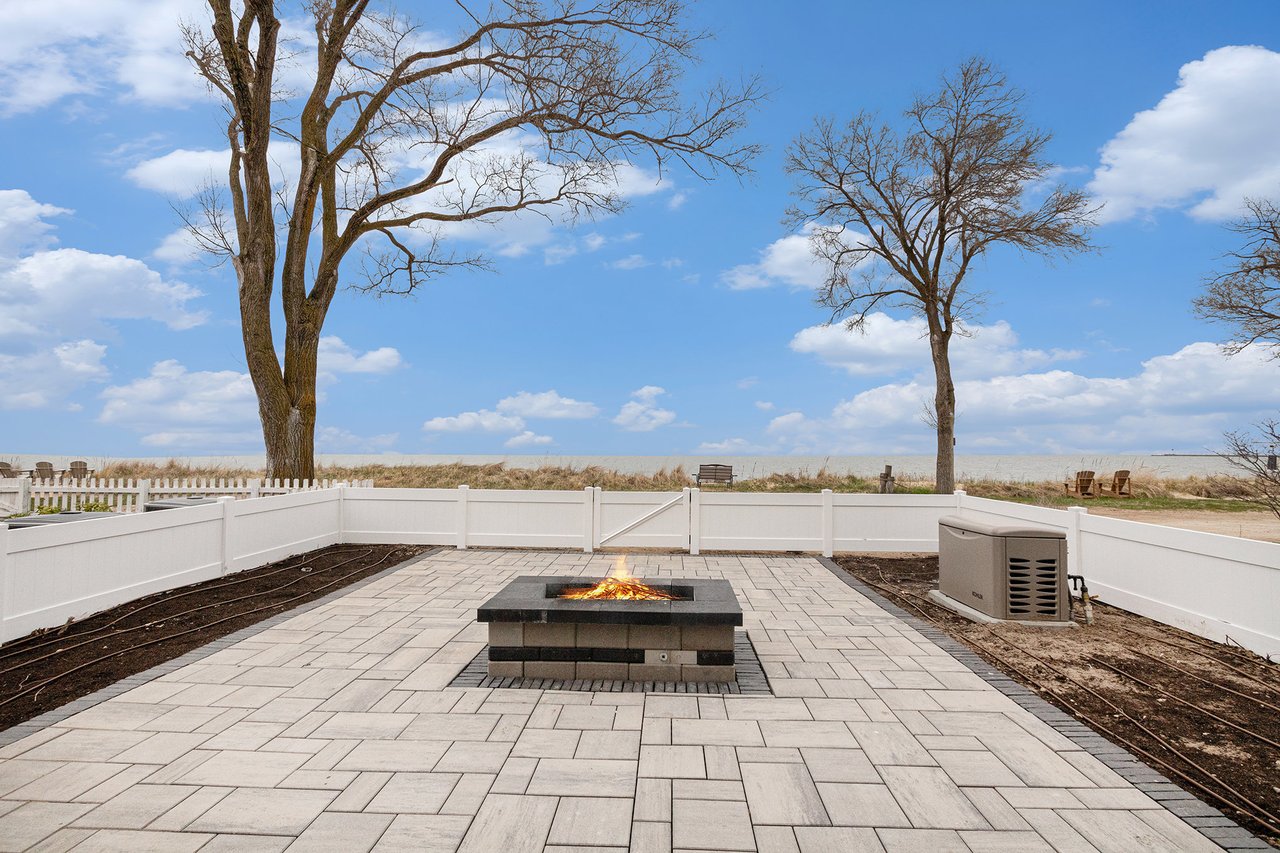
A waterfront property is more than the structure. Features like shoreline edges, decks near the water, fences, docks, marina access, or slips can all influence your timeline.
If a property includes harbor or slip-related features, keep in mind that St. Joseph’s Recreational Harbor Authority regulates private and noncommercial boating in the harbor and manages slip and storage at the West Basin Marina. That is worth understanding early if boating access is part of your buying decision.
Match your wish list to reality
This is the stage where buyers should compare their plans with local rules. If you hope to add a deck, stabilize a shoreline, adjust a seawall area, or make other land-and-water-edge improvements, those ideas may require review before work begins.
That does not mean the home is not a fit. It simply means your personal timeline should account for approvals, design adjustments, and possible permit review.
What happens after your offer is accepted
Once you are under contract, the process becomes more lender-driven for a straightforward purchase. Your next steps usually include inspection, appraisal, underwriting, and final closing review.
Schedule the inspection quickly
A home inspection and an appraisal are not the same thing. The inspection helps you understand the home’s condition, while the appraisal helps the lender assess value for the loan.
For waterfront homes, the inspection can be especially important because deferred maintenance, moisture exposure, or aging exterior features may affect your comfort level with the purchase. If issues come up, you may need time to review repair implications before moving forward.
Expect appraisal timing to vary
Appraisals are one of the less predictable steps in many transactions. The on-site visit may not take long, but the full timeline depends on appraiser availability, the complexity of the property, and report preparation.
That variability can be more noticeable with waterfront homes because unique sites and features may require a more nuanced valuation process. In other words, do not assume the appraisal will move as quickly as a standard suburban home.
Leave room for underwriting and final review
As your loan moves through underwriting, your lender may request updated documents or clarifications. This is normal, but it can add time if buyers are not ready to respond quickly.
Near the end of the process, the lender must provide the Closing Disclosure at least three business days before closing. That built-in review period is important, and it means even a smooth file has a final timing checkpoint.
Where waterfront purchases usually slow down
Not every St. Joseph waterfront purchase gets delayed. But when deals do slow down, the cause is usually one of a few common issues.
Flood insurance review
Flood insurance can become a gating item when a property is in a high-risk zone. If coverage is required, buyers may need extra time to sort out policy details and confirm costs.
In some cases, buyers moving into a higher-risk zone may be able to assume the seller’s current NFIP policy. When available, that can help with both timing and planning.
Permit review for planned work
If you plan to improve the property after closing, permit review may become the longest part of your timeline. Michigan EGLE’s Joint Permit Application can apply to projects involving wetlands, floodplains, Great Lakes bottomlands, critical dunes, and high-risk erosion areas.
EGLE states that complete applications generally take 30 to 90 days for a decision, and the administrative completeness review can take 0 to 45 days. Spring and summer are also the busiest seasons, so timing can stretch further when demand is high.
City permits for construction or remodeling
St. Joseph requires building permits before construction, remodeling, mechanical, electrical, or plumbing work begins. The city accepts only complete applications with required plans and fees.
For buyers planning updates, that means it is smart to think about scope, feasibility, and review requirements before you lock yourself into a move-in expectation. A beautiful home can still require patience if your project plans are ambitious.
Zoning and shoreline limitations
Some delays are not really delays at all. They are course corrections.
A buyer may assume a future project is simple, only to learn the floodplain guidance or shoreline overlay rules limit that idea or require a redesign. In St. Joseph, those regulations are specifically intended to manage flooding, erosion, and shoreline development, so they need to be part of your planning from day one.
A realistic St. Joseph buying timeline
Every purchase is different, but most waterfront timelines follow a similar pattern. The more complex your future plans are, the more runway you should build in.
Phase 1: Before touring
Use this phase to get organized and rule out obvious issues.
- Get preapproved
- Screen likely flood-zone exposure
- Flag older homes that may involve lead disclosures
- Start thinking about whether you want cosmetic updates or larger shoreline-related work
Phase 2: Touring and offer selection
As you narrow your options, focus on fit and feasibility at the same time.
- Confirm whether the property is in a floodplain or near a special flood hazard area
- Ask whether shoreline, dock, seawall, deck, or fence features already have approvals if relevant
- Review whether your post-closing plans may trigger city or state review
- Compare the property’s condition with your ideal move-in date
Phase 3: Under contract
For a purchase with no major project plans, this is usually the main transaction window.
- Complete the home inspection
- Move through appraisal and underwriting
- Respond quickly to lender requests
- Review the Closing Disclosure during the required three-business-day period before closing
Phase 4: Post-closing improvement planning
If the home needs updates, this phase may shape your real move-in experience more than the closing itself.
- Finalize your scope of work
- Prepare complete permit applications where needed
- Allow for EGLE review if shoreline, floodplain, or land-and-water-edge work is involved
- Build extra time into spring and summer schedules
How to plan with less stress
The best waterfront buyers think in parallel, not in sequence. Instead of waiting until after closing to explore insurance, approvals, or renovation feasibility, they start asking those questions while comparing homes.
That approach can reduce rework and help you choose a property that truly fits your goals. It is especially useful in St. Joseph, where floodplain review, shoreline rules, and permit timing can all shape the bigger picture.
If you are looking at a straightforward home with no major exterior work planned, your timeline may feel very similar to a typical financed purchase. If you are buying with a vision for renovations or shoreline changes, it is wise to expect a longer path and plan accordingly.
A waterfront home in St. Joseph can absolutely be worth the extra effort. The key is knowing that the real timeline starts well before closing and often continues through your first months of ownership.
When you want guidance that respects both the purchase process and the long-term potential of a lakeshore property, Brian Bosgraaf can help you move forward with clarity.
FAQs
How long does it take to purchase a waterfront home in St. Joseph?
- For a straightforward financed purchase, the timeline is often driven by inspection, appraisal, underwriting, and the required three-business-day Closing Disclosure review. If flood insurance questions or permit-related plans are involved, the process can stretch longer.
Why does flood risk matter when buying a St. Joseph waterfront home?
- Flood risk matters because areas along and near Lake Michigan, the St. Joseph River, the Paw Paw River, and ravines may fall into floodplain or special flood hazard review areas, which can affect insurance requirements and future project planning.
Do shoreline improvements in St. Joseph require permits?
- Yes, they can. Projects such as shoreline stabilization, docks, and other work at the land-and-water edge may require review through Michigan EGLE, and city permits may also apply depending on the scope of work.
What permit timeline should buyers expect for waterfront work in Michigan?
- Michigan EGLE states that complete applications generally take 30 to 90 days for a decision, with administrative completeness review taking 0 to 45 days. Seasonal demand can affect timing.
What should buyers ask about older waterfront homes in St. Joseph?
- If a home was built before 1978, ask about lead-based paint disclosures early. That is especially important if you plan to renovate painted surfaces after closing.
Can a St. Joseph waterfront closing be delayed by appraisal or underwriting?
- Yes. Appraisal timing can vary based on appraiser availability, property complexity, and report preparation, and underwriting can add time if the lender needs more documentation or clarification.