Is lakeshore life in Holland everything you imagine, or a little more complex once you factor in seasons, access, and day-to-day routines? If you’re exploring homes near Lake Michigan and Lake Macatawa in 49423, you want a clear picture before you buy. In this guide, you’ll see how the seasons shape your lifestyle, what to expect near the beach versus farther down the shore, and the practical steps that make a smart purchase. Let’s dive in.
Where the lakes meet
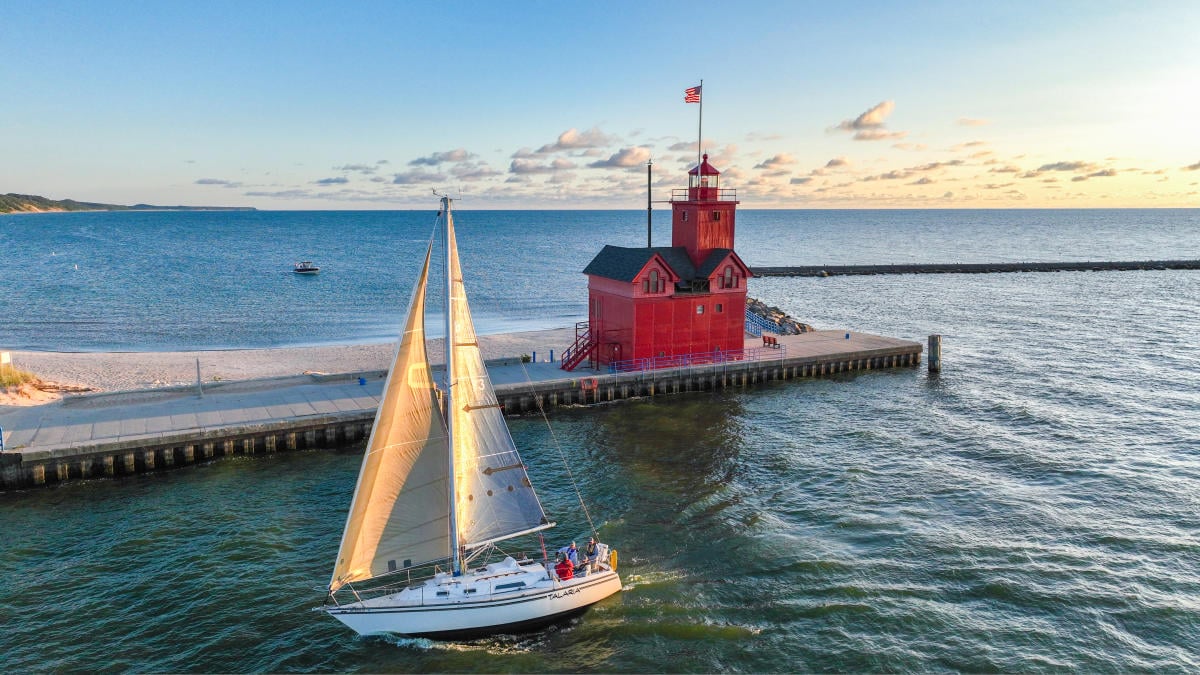
Holland’s lakeshore sits where Lake Michigan opens into Lake Macatawa, creating a sheltered harbor connected to the big lake by a channel. The area’s most photographed landmark, the bright red lighthouse locals call Big Red, frames the view between lake and harbor. You’ll find a mix of public beaches, dune ridges, and walkable waterfront promenades within a short drive of most neighborhoods.
Two of the most used public access points are Holland State Park and Tunnel Park. Holland State Park offers wide sandy beaches, dune views, and parking, and it draws heavy summer traffic. Tunnel Park delivers a short walk through the dune and a family-friendly shoreline. Near downtown, waterfront paths and pocket parks give you easy places to stroll, watch boats, or catch sunset over Lake Michigan.
Built patterns shift as you move. Close to downtown, streets feel more walkable, with restaurants, coffee shops, galleries, and parks clustered together. Along the open lakeshore, you’ll see a blend of classic cottages updated for year-round living and newer custom homes. Around the harbor, marinas and seasonal businesses support an active boating community.
Note that ZIP code 49423 crosses city and township lines across Ottawa and Allegan counties. Rules and services can differ by block. If you’re eyeing a specific property, verify which municipality has jurisdiction through the City of Holland or the appropriate county.
Seasons on the shore
Spring: wake-up and community energy
Spring starts quietly along the water, with cool temps and early-morning walks becoming a habit. Early May brings Tulip Time, when downtown comes alive and visitor traffic ramps up. Many owners get boats prepped and outdoor gear ready as lake season approaches.
Summer: peak beach and boating
Summer is the social heart of lakeshore living. Expect busy weekends at Holland State Park, full marinas on Macatawa, and long evenings outside. Your days may start with sunrise beach walks, shift to mid-day boating or paddle sessions, then end with dinner downtown or a sunset over Lake Michigan.
Fall: quieter beauty
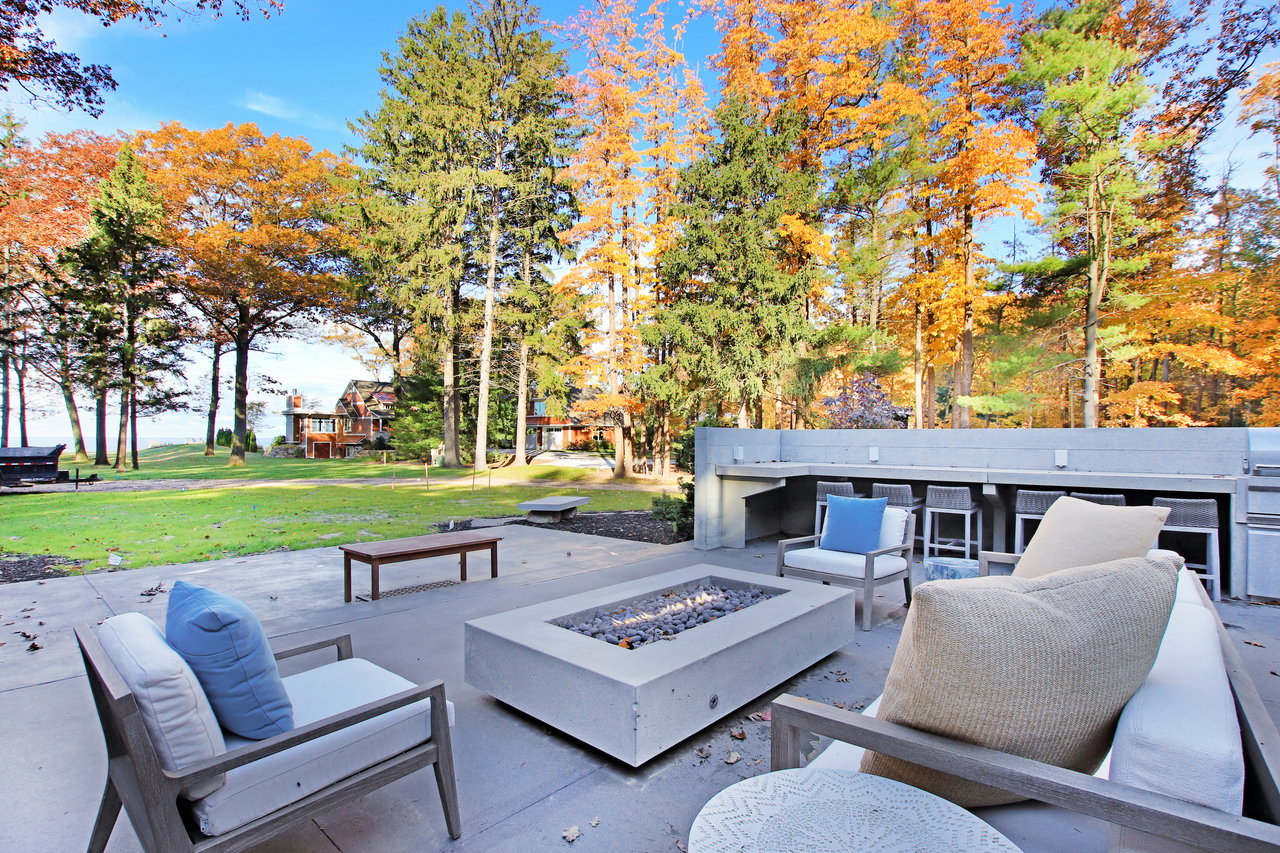
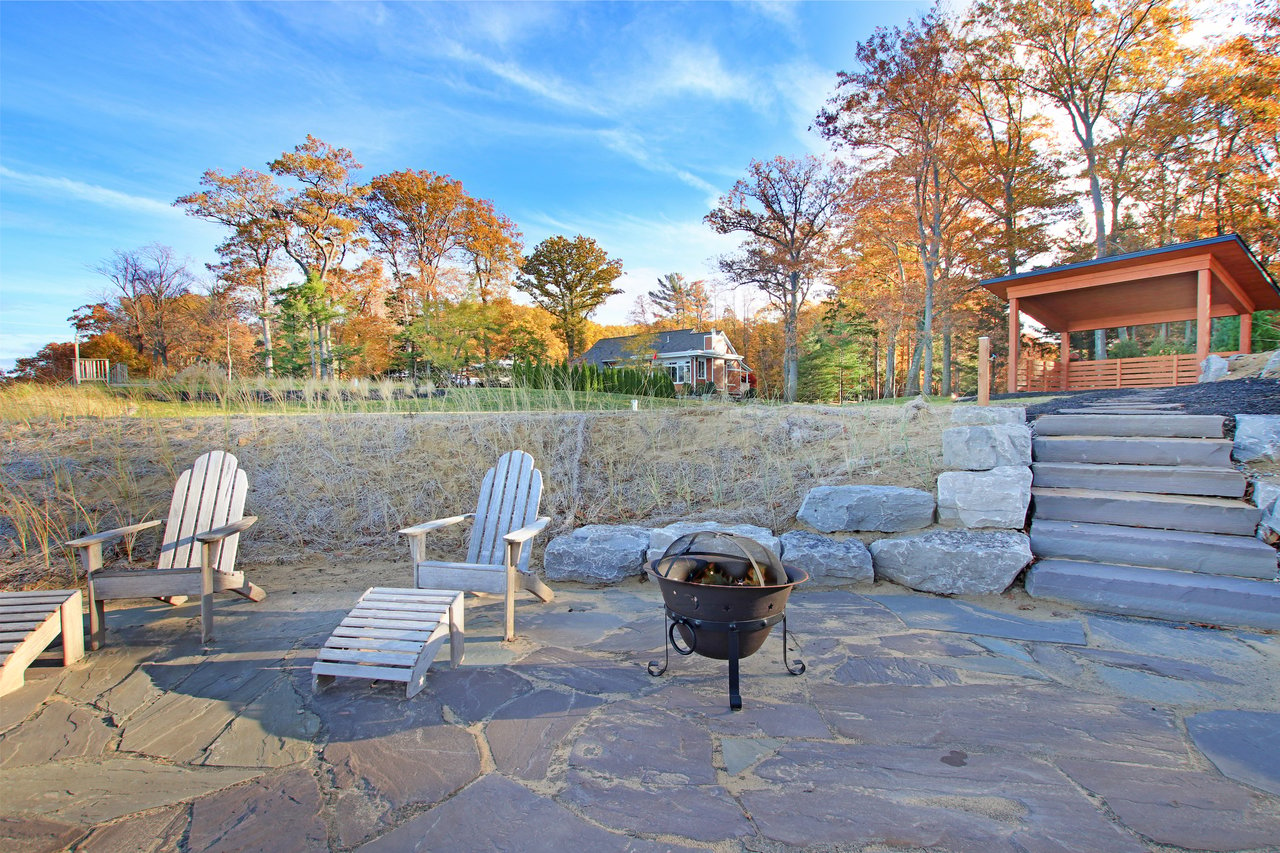
As crowds ease, beaches grow peaceful and dune and woodland colors pop. Water temps cool, and while boating slows, fishing and shoreline walks continue. Sunsets feel unhurried, and weekday evenings are relaxed.
Winter: dramatic and serene
Winter can bring lake-effect snow, wind, and striking, quiet vistas. Some seasonal businesses reduce hours, and roads can be slower after storms. If you value calm and open views, winter may become your favorite time to walk the beach and take photos.
Daily rhythms and amenities
- Beachgoing: Sunbathing, sand play, and dune exploration are part of the routine, especially at popular public access points.
- Boating and sailing: A strong harbor community makes Lake Macatawa a go-to for sailing, cruising, and quick access to Lake Michigan. Slip availability changes seasonally.
- Fishing: Sport fishing for salmon and trout on the big lake, plus inland bay fishing from docks and piers.
- Trails and parks: Waterfront promenades make walking and running easy. Nearby county and state parks add hiking and nature options.
- Downtown life: The 8th Street core offers dining, coffee, boutiques, galleries, and community events that extend into summer evenings.
Most households rely on cars, though biking and walking work well if you live near downtown or along the waterfront trail network. Groceries, healthcare, and municipal services are a short drive from most lakeshore homes.
Home styles and trade-offs
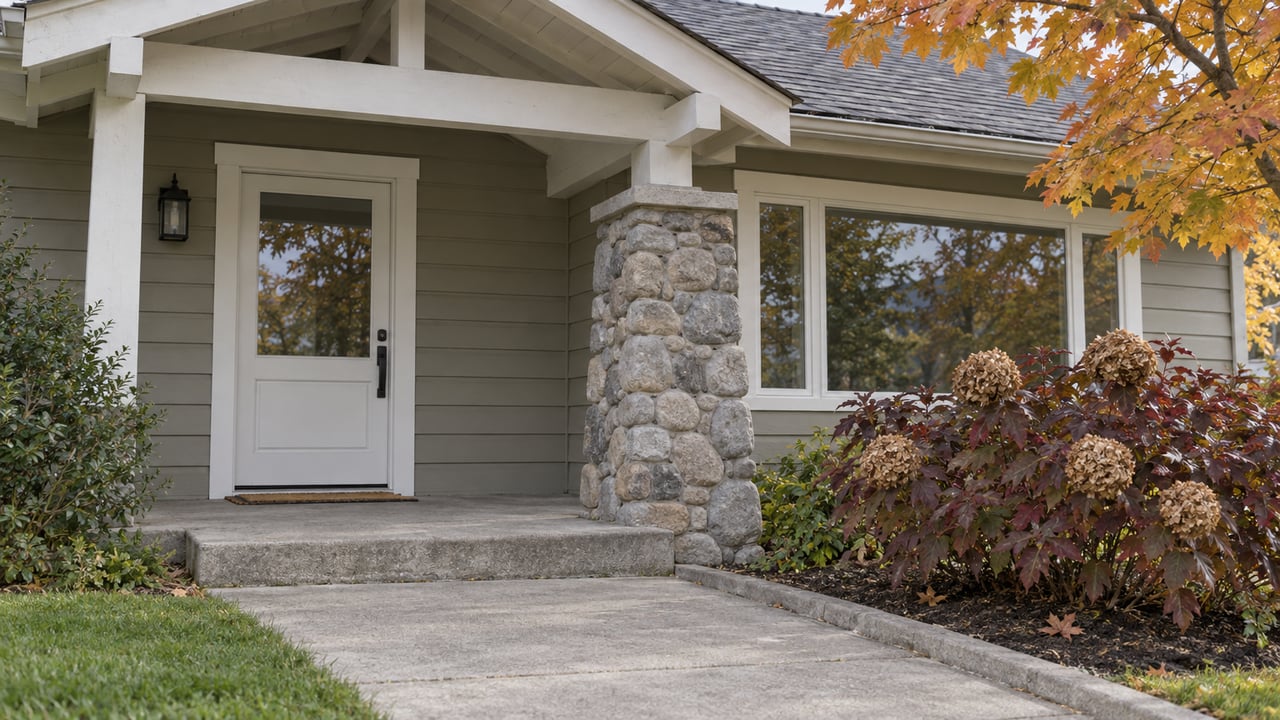
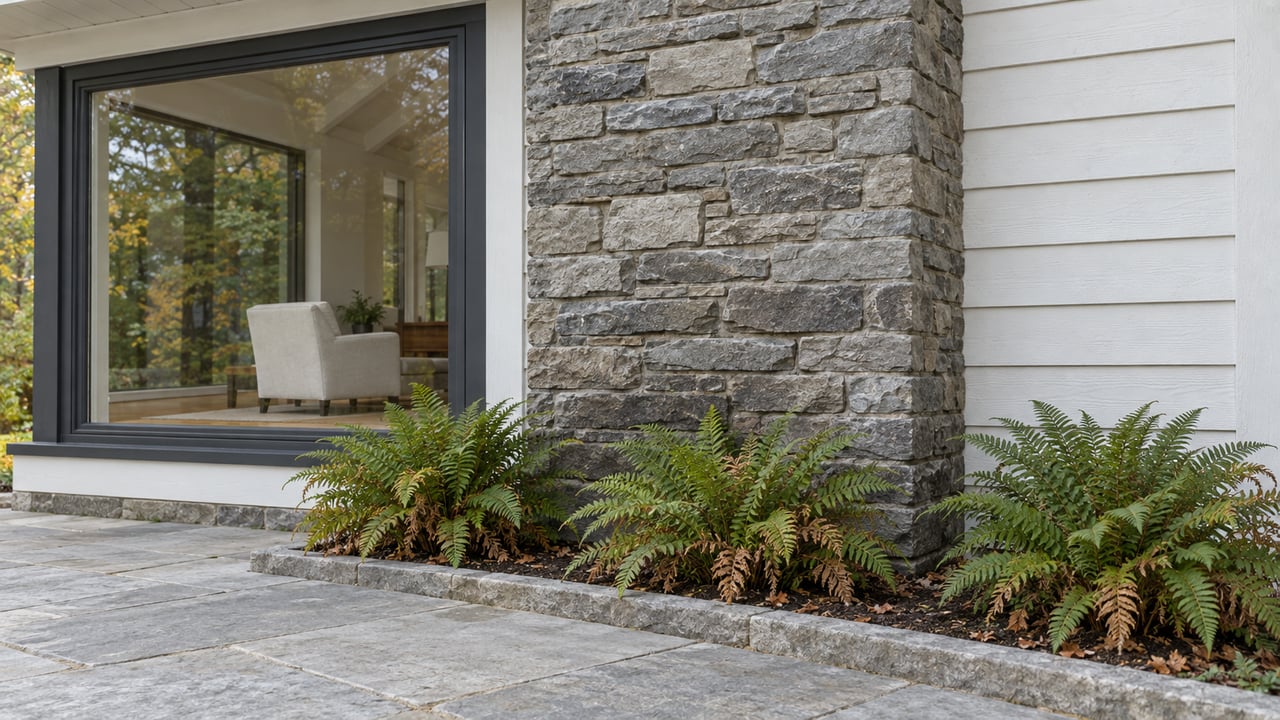
You’ll find older cottages converted to year-round homes, renovated bungalows, and thoughtful new builds. Some pockets include condominiums near the water. Lots range from intimate in-town parcels to larger, more secluded properties down the shore.
In-town, near the waterfront parks and downtown:
- Pros: Walkability to dining, shops, events, and parks. Easier access to services and shorter commutes.
- Cons: More summer traffic and visitors, smaller lots, and strong buyer competition.
More secluded shoreline, outside the downtown corridor:
- Pros: Greater privacy, larger lots, and quieter evenings.
- Cons: Longer drives for errands, possible septic and well systems instead of municipal utilities, fewer sidewalks, and more seasonal access considerations.
Waterfront typically commands a premium compared to inland property. Some buyers prefer harbor and channel proximity for sheltered water access and boating; others pay more for open Lake Michigan frontage and unobstructed sunsets.
What it really costs to live here
Beyond purchase price, plan for the realities of coastal living. Wind, sand, and sun increase wear on siding, roofing, decks, and outdoor furniture. Boats and docks need prep and storage plans. Flood risk and elevation can affect insurance availability and premiums, especially close to the water or at lower elevations. High snow and winter winds mean you’ll want solid insulation, reliable snow removal, and a seasonal maintenance plan.
Shoreline and dune protection rules affect building and renovations. Because the Great Lakes shoreline is dynamic, certain improvements may require review and permits. Start with guidance from EGLE for shoreline and dune considerations, and review floodplain mapping through the FEMA Flood Map Service Center.
Due diligence checklist for buyers
Use this list to make confident decisions before you write an offer:
- Confirm jurisdiction for the property. 49423 can fall under different city or township rules; check with the City of Holland or the relevant county office.
- Review public access. Verify whether beach access is deeded, shared, or public, and confirm easements in the title work.
- Check flood exposure. Look up the parcel on the FEMA Flood Map Service Center and ask for elevation information.
- Understand shoreline and dune rules. Consult EGLE about coastal setbacks and permits before planning any expansion or shoreline alterations.
- Verify utilities. Confirm municipal sewer and water or the age, capacity, and condition of septic and well systems.
- Ask about winter services. Clarify responsibility and schedule for snow removal and road maintenance, especially on private drives.
- Get insurance input early. Talk with an agent about wind and flood coverage to understand costs and availability.
- Explore rental rules. If short-term rental income matters to you, check local ordinances for the specific neighborhood.
- Experience the location in multiple seasons. Visit in summer and winter to gauge traffic, noise, and access.
In-town vs secluded: quick guide
- Choose in-town if you value walkability to dining, markets, and events, and you don’t mind summer activity.
- Choose more secluded shoreline if you want privacy, larger lots, and quieter nights, and you’re comfortable driving a bit farther for errands.
Either choice places you near public beaches, waterfront trails, and a small but lively downtown.
Public access highlights
- Holland State Park: The area’s primary public beach with dunes and parking. Find updates through the Michigan DNR.
- Tunnel Park: A favorite for its dune tunnel and family-friendly feel. Seasonal crowding is common on warm weekends.
- Waterfront promenades: Walkable stretches along Lake Macatawa offer views of the harbor and channel.
For event calendars, beach conditions, and visitor info, the local bureau at Experience Holland is a helpful resource.
Shoreline rights, erosion, and permits
Michigan’s public trust doctrine allows public use along the Great Lakes shoreline below the ordinary high-water mark, while private ownership typically covers land above that line. If you plan to modify dunes or build shore protection, expect a permitting process. Rules vary by site and jurisdiction, and the shoreline is dynamic year to year. Start with EGLE for current guidance and connect with your local planning department for site-specific requirements.
Make the most of lakeshore life
- Plan your summer rhythm. Arrive early or time late afternoons to enjoy popular beaches with fewer crowds.
- Keep a four-season mindset. Good insulation, storm-ready windows, and a maintenance plan help you enjoy the home year-round.
- Lean into the harbor lifestyle. Boating, sailing, and waterfront walks are daily pleasures, even if you live a few blocks inland.
- Explore beyond the beach. Trails, fall color, and winter shoreline walks are part of the magic.
How Cottage Home Realty helps
A lakeshore home should feel effortless, not complicated. If you want a partner who blends design, construction, and brokerage under one roof, Cottage Home Realty can streamline every step. The team’s integrated model brings in-house architecture and interiors, a downtown showroom for cohesive selections, and construction delivery with fixed-price contracts and guaranteed completion dates. That means clearer budgets, predictable timelines, and fewer handoffs.
If you care about sustainability and long-term operating costs, the team’s LEED experience supports energy-efficient, durable homes tailored to West Michigan’s conditions. For second-home owners and investors, turnkey furnishing and post-sale property services keep your home guest-ready and well cared for.
Ready to see what’s possible along Holland’s lakeshore or to discuss a property you’ve found? Connect with Brian Bosgraaf to begin.
FAQs
Will my Holland lakeshore home include private beach access?
- Not always. Many parcels are upland with deeded or shared access, while others rely on public entry points. Verify access rights in the deed and title documents.
How busy does 49423 get in summer near the beaches?
- Expect heavier traffic and fuller parking on warm weekends and during festivals, especially near Holland State Park and downtown. Secluded stretches are typically quieter.
How important is elevation for a lakeshore property in Holland?
- Very important. Higher elevation reduces flood and erosion exposure and can influence insurance costs and long-term resilience.
Do I need permits to build near dunes or the shoreline in Holland?
- Often yes. Dune and shoreline work usually requires state and local permits. Start with EGLE and your local planning department.
What is winter like along Lake Michigan in 49423?
- Winters can be cold and windy with lake-effect snow. Plan for insulation, snow removal, and a seasonal maintenance routine to enjoy the quiet beauty.