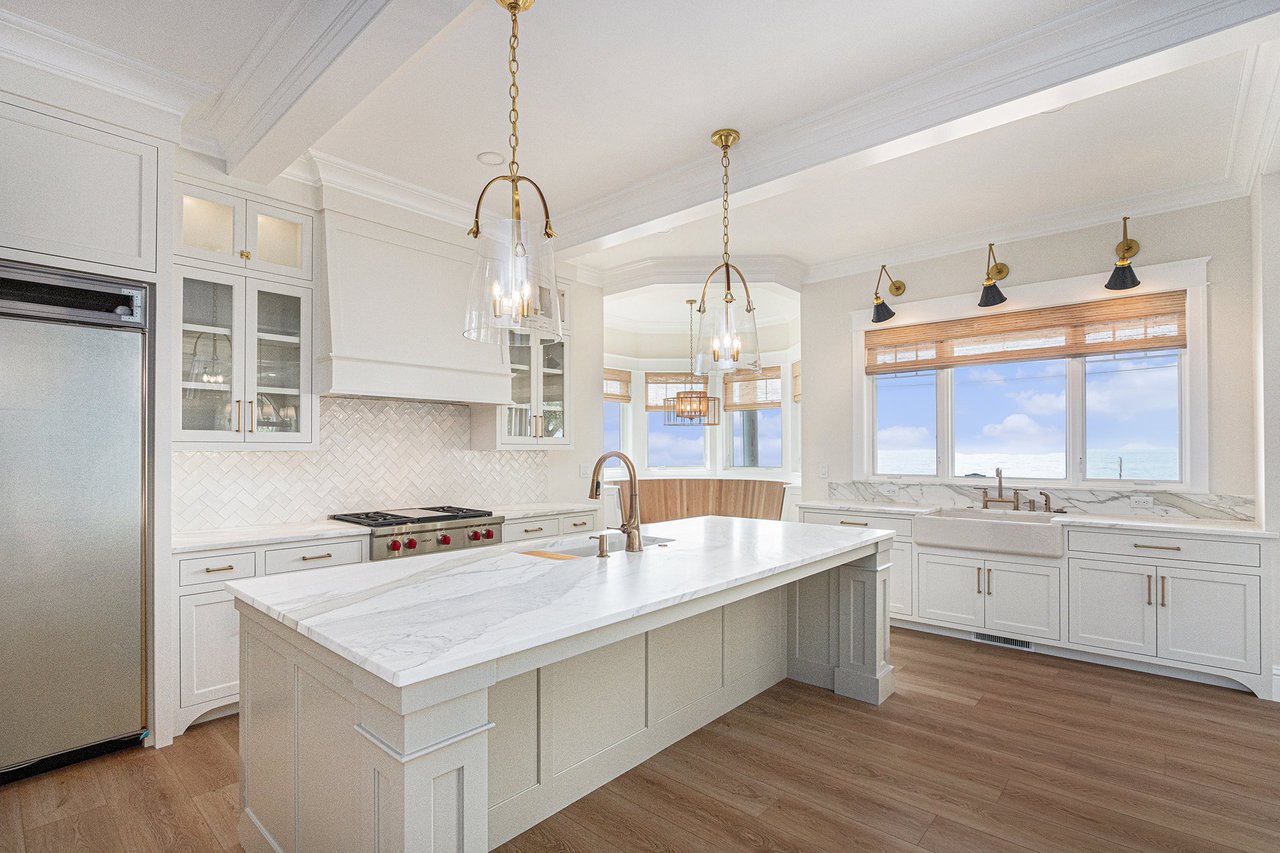
If you want guests to rave about your South Haven vacation home, great styling alone will not do it. In a beach-and-boating market like South Haven, the homes people remember are the ones that feel beautiful, easy to use, and ready for real lake life. When you design around how guests actually arrive, sleep, store gear, and move through the home, you create a better experience and a stronger rental asset. Let’s dive in.
Start With South Haven Guest Behavior
South Haven is built around water, beaches, and outdoor recreation. The city promotes nine public beach access points, highlights South Beach as a signature shoreline, and draws visitors for boating, kayaking, fishing, biking, hiking, and family outings. Van Buren State Park adds another layer with beach access, dunes, trails, and camping nearby.
That matters because your guests are not arriving like hotel guests. They often show up with coolers, wet towels, sandy shoes, bikes, paddle gear, and boating supplies. A memorable vacation home in South Haven should feel polished, but it also needs to feel simple to clean, easy to organize, and comfortable for repeat use.
Design for Sand, Water, and Gear
The fastest way to improve the guest experience is to support the way people come back from the beach. If you ignore that reality, even a beautiful home can feel frustrating by day two. If you plan for it, the home feels effortless.
Build a Better Entry Sequence
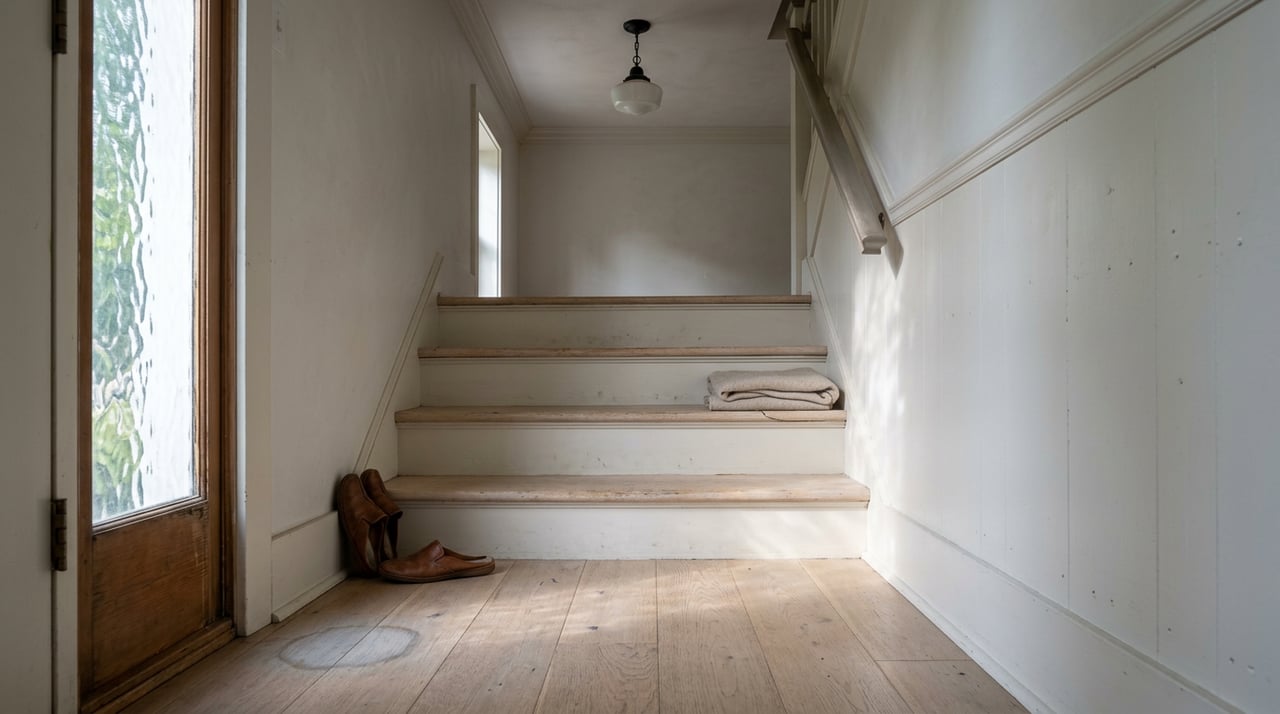
Your entry should work like a mudroom, even if the house is compact. Guests need a clear place to drop bags, kick off shoes, hang towels, and sort out beach gear before it spreads through the home. A bench, hooks, cubbies, and closed storage can make a major difference.
Visible organization also helps guests follow house expectations. South Haven Township rules require renters to receive information about trash pickup, parking, common areas, and water safety. When the home layout supports those routines, compliance feels natural instead of forced.
Choose Finishes That Wear Well
In South Haven, durability is part of good design. Sand-tolerant flooring, washable wall finishes, easy-clean surfaces, and sturdy hardware can help the home stay fresh through busy turnover periods. These choices may not be the flashiest part of a project, but they often shape the guest experience more than decorative details do.
If you are designing for long-term value, low-maintenance materials matter even more. They can reduce wear, simplify cleaning, and support more predictable operations over time. That fits well with a lakeshore home that needs both beauty and resilience.
Make Storage Specific
Generic closets are not enough in a vacation home. Guests remember homes where everything has an obvious place, especially after a day on the water. The goal is not more storage alone. It is smarter storage.
Consider practical zones such as:
- Shoe cubbies near the main entry
- Labeled bins for beach towels
- Hooks for life jackets and bags
- Ventilated space for paddles or fishing gear
- A separate owner or service closet for cleaning supplies
- Backup linen storage that is easy for turnovers
Plan Sleeping Spaces Around the Rules
One of the biggest mistakes in vacation home design is focusing on how many beds you can fit instead of how many sleeping spaces actually count. In South Haven, city and township rules tie occupancy to code-compliant sleeping areas, not marketing language. That means your layout decisions directly affect both guest comfort and licensing readiness.
Countable Sleeping Space Matters More Than Extra Beds
Under South Haven City rules, only bedrooms and approved flex sleeping rooms count toward occupancy. Attics and basements generally do not count unless the city can inspect them for egress compliance. Bedroom layouts also need to preserve bathroom access and an emergency escape route.
Township rules follow a similar pattern. Occupancy is generally capped at 12, and attics and basements cannot count without inspection consent. For many owners, that means a staged basement bunk room may look appealing in photos but add little real value if it does not hold up during review.
Design Flexible Rooms the Right Way
The most effective approach is to create sleeping arrangements that are comfortable, maintainable, and defensible. Main-level guest rooms, bunk rooms, and well-ventilated flex spaces usually offer more practical value than trying to squeeze beds into questionable areas. Guests notice comfort, privacy, and convenience more than they notice inflated sleep counts.
A better sleep plan often includes:
- One or more true bedrooms with easy bathroom access
- Bunk rooms designed for families or group stays
- Flex rooms that function well beyond sleeping hours
- Clear circulation paths that do not block exits
- Durable furnishings that can handle repeat use
Know the City and Township Differences
In the 49090 area, your property may fall under South Haven City rules or South Haven Charter Township rules. That difference can shape your design priorities, operating plan, and guest setup. It is worth sorting out early, before you finalize layout or budget decisions.
What South Haven City Requires
South Haven City now regulates short-term rentals under Article V of Chapter 14, adopted March 17, 2025 and effective March 27, 2025. You may not rent or advertise an unlicensed dwelling unit for 28 days or less. The city also requires an inspection, posted contact information, smoke and carbon monoxide requirements, a good-neighbor guide for guests, and a designated local agent within 45 miles.
The city separates licenses into Class I and Class II. Class II properties face a six-term annual cap, and both classes are subject to a two-night minimum stay. The city’s November 2025 fee resolution lists a $450 initial zoning compliance determination and a $450 application and inspection fee for Class I properties, along with lower Class II fees and additional reinspection or appellate fees.
What South Haven Township Requires
South Haven Charter Township adds several operating details that affect the physical home. The ordinance requires a $1 million insurance minimum, a reflective address sign, adequate trash receptacles sized at one 90-gallon container per four occupants, quiet hours from 11:00 p.m. to 7:00 a.m., and renter information about golf carts and water safety.
These are not minor details. They influence driveway layout, exterior visibility, trash enclosure planning, and how you communicate expectations to guests. In other words, memorable design in South Haven is not just about finishes inside the house. It also includes the practical systems outside.
Budget for Operations, Not Just Style
A vacation home that photographs well but runs poorly will not stay memorable for the right reasons. In South Haven, your build or renovation budget should account for compliance, turnover efficiency, and daily use. That can protect the guest experience while helping reduce avoidable headaches.
Spend Where Friction Happens
If you are deciding where to invest, focus first on the spaces that carry the most wear. Entry storage, laundry, owner closets, outdoor rinse areas, durable flooring, and trash handling all affect how the home performs week after week. These features are often more valuable than one more decorative upgrade.
This is especially true for investor-ready properties. A home that supports fast cleanup, simple restocking, and fewer guest questions can be easier to maintain and better positioned for steady use.
Remember the Bookkeeping Side
Rental readiness is also a compliance and recordkeeping issue. Michigan Treasury guidance states that accommodations such as vacation homes and cottage rentals for stays of up to 30 continuous days fall under use-tax rules. That means your design and furnishing decisions should work alongside a clear operating plan, not apart from it.
Create a Home Guests Actually Remember
The South Haven vacation homes that stand out are rarely the ones trying hardest to look like a resort. They are the ones that feel thoughtful from the moment guests pull in the driveway to the moment they pack up sandy bags to leave. Good design removes friction, supports the local lifestyle, and holds up to real use.
For many owners, that means thinking beyond surface-level aesthetics. It means combining strong layout decisions, durable materials, practical storage, and local rule awareness into one clear plan. When you do that well, you create a home that feels special and works beautifully.
If you are planning a South Haven vacation home and want a partner who understands design, construction, and lakeshore property strategy, Brian Bosgraaf can help you create a home that is memorable for all the right reasons.
FAQs
Can a basement count as a sleeping room in a South Haven vacation rental?
- In South Haven City and Township, basements generally do not count unless the space can be inspected and approved for compliance, including egress requirements.
How many guests can a South Haven vacation home host?
- Allowed occupancy depends on code-compliant sleeping areas, and Township rules generally cap maximum occupancy at 12.
What changes if the property is in South Haven City versus Township?
- City and Township rules differ on licensing structure, fees, operating requirements, and some enforcement details, so you should confirm the exact jurisdiction before finalizing your design and rental plan.
What features matter most in a South Haven vacation home design?
- The most useful features usually include durable finishes, sand-friendly flooring, organized entry storage, practical laundry and linen space, compliant sleeping rooms, and exterior planning for parking, trash, and visibility.